


The bumper beam reduces property damage. The vehicle structure protects people. Understanding the difference changes the conversation.
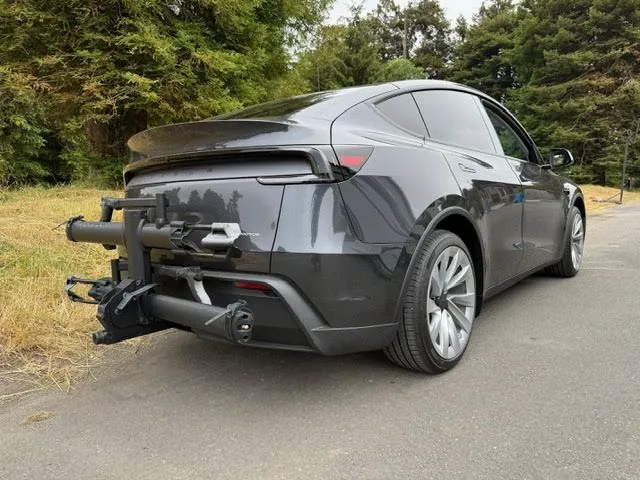
When a customer hears that a hitch installation involves removing the rear bumper beam, the instinct is to think: that beam protects me. But the federal standard that governs the beam, and the purpose the beam serves, have nothing to do with protecting passengers. The beam's job is damage resistance: reducing property damage in very low-speed contacts. Passenger protection is handled by entirely different systems, governed by entirely different rules, operating at entirely different speeds.
This article explains the difference between damage resistance and crash safety, and why understanding that difference changes how you think about bumper beam removal during a hitch installation.
Two Different Standards for Two Different Problems
| Federal Bumper Standard (49 CFR Part 581) | Federal Motor Vehicle Safety Standards (FMVSS) | Why It Matters | |
| Purpose | Reduce property damage in low-speed contacts. | Protect occupants in real-world collisions. | These are not the same goal. |
| Test speed | 2.5 mph straight; 1.5 mph corner. | Varies by standard. Many tests at 30+ mph. | The scale difference is enormous. |
| What it protects | Lamps, exhaust, cooling, fuel, steering, suspension from minor contact damage. | Occupants: head, chest, pelvis, legs. Fuel integrity. Cabin space. | Property vs. people. |
| Key components | Bumper beam, energy absorbers, bumper cover. | Crumple zones, frame, cabin cage, seatbelts, airbags, fuel system. | Different systems. Different engineering. Different purpose. |
| Affected by beam removal? | Potentially. The 2.5 mph damage resistance may be affected. | No. Occupant protection systems are not dependent on the bumper beam. | Removing the beam may affect repair costs from a nudge. It does not affect the systems that protect passengers. |
What "Damage Resistance" Actually Means
Damage resistance means the vehicle's ability to withstand a very low-speed contact without expensive damage to protected components. If someone bumps your car at 2 mph in a parking lot, the bumper system is supposed to absorb that contact without breaking the taillights, puncturing the exhaust, bending the cooling system, or damaging the fuel lines. It is designed to save you money on a repair bill after a minor bump.
That is a useful function. But it is not a safety function. It is an economic function.
What "Crash Safety" Actually Means
Crash safety means the vehicle's ability to protect occupants during a real collision. This involves managing kinetic energy that is orders of magnitude greater than what the bumper standard tests for. The vehicle's rear crumple zone, frame rails, cabin structure, seatbelts, head restraints, and airbags are all designed for this purpose.
These systems are tested under Federal Motor Vehicle Safety Standards (FMVSS), which are completely separate from the bumper standard. They test at speeds of 30 mph, 35 mph, and higher. They measure occupant forces, cabin intrusion, fuel system integrity, and restraint system performance. The bumper beam plays no role in these tests.
Why the Confusion Exists
The word "bumper" carries an emotional weight that goes beyond its engineering scope. When someone says "the bumper protects you," the instinct is to think of protection in a crash. But in the federal regulatory framework, the bumper system protects the vehicle (property) from low-speed damage. The occupant protection systems protect people from collision forces. They are different systems with different purposes, and removing one does not affect the other.
What This Means for Hitch Installation
When a properly engineered, vehicle-specific trailer hitch is installed and the manufacturer's instructions call for removing the rear bumper reinforcement beam, the component being removed is a low-speed damage-resistance part. The occupant safety systems (crumple zones, frame rails, cabin, seatbelts, airbags, fuel integrity) remain fully intact. The vehicle's ability to protect its passengers in a real collision has not changed.
What may change is the vehicle's behavior in a very low-speed parking lot contact at or below 2.5 mph. In some cases, the property damage from that type of minor bump could be slightly higher. That is the scope of the difference: not safety, but potentially the repair bill from a nudge.
Key Takeaways
- Damage resistance (bumper standard) and crash safety (FMVSS) are two different systems with two different purposes.
- The bumper beam reduces property damage at 2.5 mph. The vehicle structure protects passengers at real collision speeds.
- Removing the beam may affect the repair cost from a parking lot bump. It does not affect the systems that protect passengers.
- Crumple zones, frame rails, cabin integrity, seatbelts, airbags, and fuel system protection remain intact after a properly engineered hitch installation.
- The confusion comes from the word "bumper" sounding like a safety term. In the regulatory framework, it is a property damage term.
Check fitment for your vehicle.
Contact Torklift support with questions.
Frequently Asked Questions
What is the difference between damage resistance and crash safety?
Damage resistance reduces property damage in low-speed contacts (2.5 mph). Crash safety protects occupants in real collisions. They are different systems governed by different standards.
Is the bumper beam a crash safety component?
No. It is a damage-resistance component tested at 2.5 mph. Occupant protection is handled by crumple zones, frame, cabin, seatbelts, and airbags.
Does removing the beam affect crash safety?
The occupant protection systems are not dependent on the bumper beam. They remain intact after a properly engineered hitch installation.
What might removing the beam affect?
Potentially, the dollar amount of property damage in a very low-speed parking lot contact. Not passenger safety.
Why does the word "bumper" cause confusion?
Because people associate "bumper" with protection. In the regulatory framework, the bumper standard is about property damage at walking speed, not occupant safety in collisions.
***IMPORTANT NOTICE
While EcoHitch trailer hitches are built with high-strength materials and tested for exceptional weight ratings, your vehicle's factory towing capacities are the ultimate limit. Always refer to your vehicle's owner's manual to determine its maximum towing and tongue weight ratings. No aftermarket hitch or accessory can increase your vehicle's factory-rated towing capacities.
Using hauling accessories like extensions, cargo trays, bike racks, or other accessories that extend the load out from the trailer hitch, will significantly reduce the tongue weight capacity of your hitch system.
To estimate how your setup will affect tongue weight, we recommend using our Maximum Hitch Weight (Tongue Weight) Estimator before hauling your payload (cargo trays, bike racks, etc.)
Disclaimer: It is the user's responsibility to ensure safe towing practices and to confirm that all loads fall within the limits of the lowest-rated component in the towing system. Torklift is not liable for any damage or injury resulting from the misuse or overloading of towing/hauling equipment.