


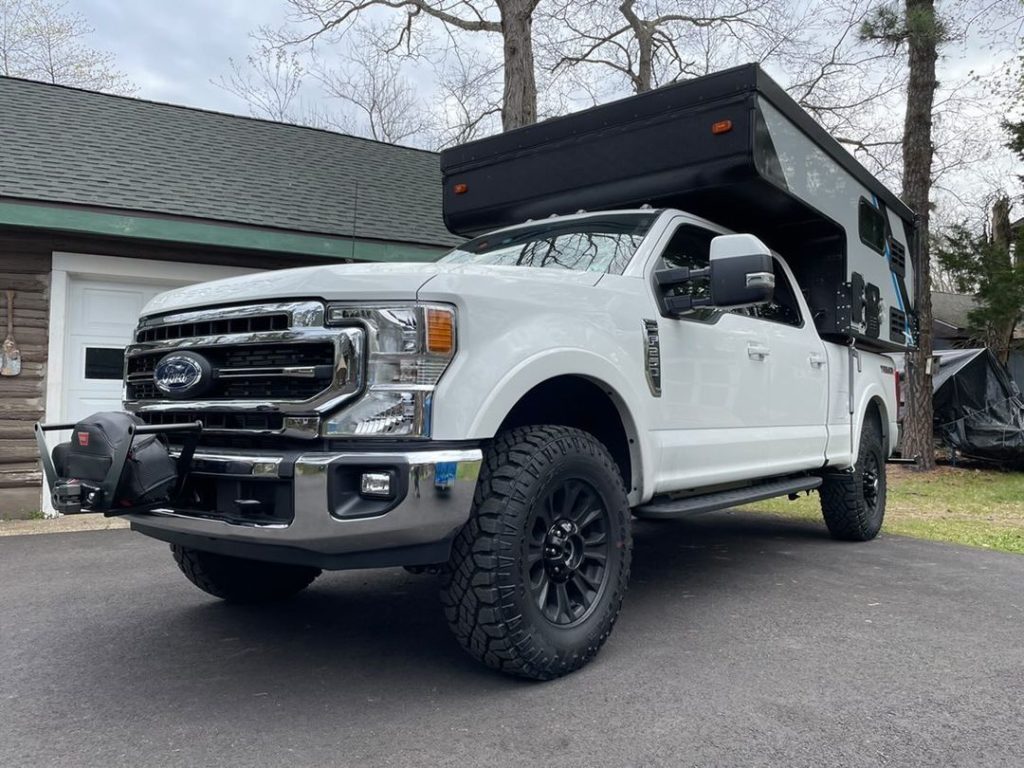
Discover the All-in-One Solution for Enhanced Stability and Performance
A good truck camper setup starts with a suspension that can handle the load. If your truck sags under a camper, leans in turns, or feels less controlled on the highway, it is time to consider a targeted, easy-to-install suspension upgrade. This guide walks you through practical, do-it-yourself truck camper suspension upgrades and explains why Torklift StableLoads are the all-in-one solution for load support for truck campers.
Why load support matters for truck campers
- A sagging rear end changes handling, increases dive during braking, and alters the driveline pinion angle.
- Uneven or excessive sag makes cornering unstable and increases body roll and sway.
- Poor support accelerates tire wear and can stress the frame and mounting hardware.
- Proper load support restores ride height, improves braking and steering response, and protects vehicle components.
Common suspension upgrade options for truck campers
Truck owners commonly choose from several upgrade paths. Each has advantages and trade-offs.
- Airbags: Adjustable support by inflating or deflating. Good for variable loads but require air lines, a compressor or pump, and regular maintenance.
- Add-a-leaf or overload leaf packs: Increase spring capacity but are often permanent and can make the ride harsh when unloaded.
- Helper springs and overload blocks: Cheap and effective for added support but may interfere with spring articulation or cause binding.
- Sway bars or anti-sway devices: Improve lateral stability but do not address rear-end sag or weight distribution.
- Torklift StableLoads: A mechanical, bolt-in preload device that raises and stabilizes the leaf spring pack, addressing both sag and roll without the downsides of many alternatives.
At a glance comparison
| Feature | Airbags | Add-a-Leaf / Overload Springs | Sway Bars | Torklift StableLoads |
|---|---|---|---|---|
| Restores ride height | Yes | Yes | No | Yes |
| Reduces body roll and sway | Varies | Varies | Yes | Yes |
| Maintains factory ride when unloaded | No | No | Yes | Yes |
| Requires ongoing maintenance | Yes | No | Low | Low |
| Installation complexity | Moderate to High | Moderate | Moderate | Low to Moderate |
| Adjustable without tools | Yes | No | No | Yes (quick engagement) |
| Affects spring articulation | Can | Yes | No | No |
| Ideal for truck campers | Good for variable weight | Permanent heavy loads | Not sufficient alone | Excellent (balanced solution) |
Why Torklift StableLoads are the all-in-one solution for truck campers
Torklift StableLoads are designed specifically to address the two most pressing issues truck camper owners face: sag and instability. Here is why they stand out:
- Integrated load support and stability: StableLoads preload the factory leaf springs to lift the rear end, restoring proper ride height while dramatically reducing body roll and sway. That combined effect improves handling, braking, and confidence with a heavy camper.
- Preserves factory ride when unloaded: Unlike add-a-leaf solutions that permanently stiffen the rear, StableLoads remain in a stored position when not engaged so the truck keeps its original ride quality for daily driving.
- Simple, mechanical operation with no air systems: No compressors, valves, or hoses to fail or maintain. That means less to go wrong on the road and fewer components to manage during long trips.
- Quick, easy engagement and adjustability: StableLoads can be engaged or disengaged quickly, allowing you to tailor support based on load and driving conditions.
- Non-intrusive to spring articulation: Because StableLoads preload the springs inwardly and do not add a second leaf or block, they maintain spring travel and do not promote binding or accelerated wear of the suspension.
- Bolt-in installation and vehicle-specific fit: Designed to work with the factory spring and frame configuration, StableLoads are engineered to fit specific makes and models for a secure installation.
How StableLoads beat common competitor trade-offs
- Compared to airbags: StableLoads provide reliable, maintenance-free support without extra weight, air leaks, or reliance on a compressor. They are simpler to operate and better for long-term reliability.
- Compared to add-a-leaf or helper springs: StableLoads avoid permanently altering the spring pack and preserve ride quality when unloaded. They also reduce the binding and rough ride associated with some add-on leaf solutions.
- Compared to sway-only upgrades: While sway bars help lateral stability, they do not lift the rear or address pinion angle, so they are not a complete solution for camper loads. StableLoads tackle both sag and sway.
DIY: How to install Torklift StableLoads on your truck camper rig StableLoads are designed for a DIY-friendly installation for most trucks. Follow all safety guidelines and consult the vehicle-specific instructions included with your kit.
Tools you will typically need
- Floor jack and quality jack stands
- Wheel chocks
- Socket and ratchet set (metric and SAE)
- Ratcheting wrench or breaker bar for loosening tight bolts
- Torque wrench (to final torque specs)
- Penetrating oil for rusty bolts (if applicable)
- Hammer or pry bar (occasionally useful)
- Safety glasses and gloves
Time estimate
- Most installations can be completed in about 1 to 3 hours depending on vehicle, experience, and whether factory hardware is corroded.
Step-by-step overview
- Read the vehicle-specific kit instructions thoroughly. Confirm your kit is correct for your truck year, make, and model.
- Park on level ground, chock the front wheels and loosen rear lug nuts slightly if you plan to remove wheels.
- Raise the rear axle with a floor jack and support the frame on jack stands. Do not rely on the jack alone.
- Locate the factory bump stop or jounce bumper area and the leaf spring pocket where the StableLoad installs. Remove any necessary hardware per instructions.
- Install the StableLoad bracket and components using the included hardware. The design preloads the spring pack to lift the rear end when engaged.
- Torque all fasteners to the specified values in the instruction manual. Proper torque is critical for safety and performance.
- Lower the vehicle and test engagement. With StableLoads disengaged you should have the factory ride height. Engage StableLoads and verify restored ride height and reduced sag.
- Take a short test drive and re-check torque after initial use. Inspect hardware periodically.
Safety tips and best practices
- Always use jack stands on a level surface. Never work under a vehicle supported only by a jack.
- Install on both sides of an axle; never mix upgraded and non-upgraded sides.
- Re-torque after the first 100 miles and inspect periodically for tightness and wear.
- Follow weight limits and installation notes for your specific kit and vehicle.
Real-world benefits you will notice
- Restored rear ride height and improved ground clearance.
- Reduced body roll and more predictable handling with a camper mounted.
- Better braking balance and reduced rear-end squat under acceleration.
- Less stress on mounting hardware and chassis.
- Improved camper stability while parked and driving, which increases comfort and safety.
Who should choose StableLoads
- Truck camper owners who want a single, comprehensive upgrade that addresses sag and sway.
- DIY enthusiasts who want a bolt-in solution without air systems or permanent changes to spring geometry.
- Owners who want to preserve factory ride quality when not carrying a camper.
- Anyone looking for reliable, low-maintenance support for frequent or long-distance RV travel.
Where to get fitment and purchase
Torklift offers vehicle-specific StableLoad kits for a wide range of trucks. To find the correct kit for your truck camper setup, consult the fit guide at Torklift.com or contact an authorized dealer for assistance and installation support.
Frequently Asked Questions
Q: Will StableLoads make my truck ride harsh when I am not carrying a camper? A: No. StableLoads remain in a stored position when disengaged so your truck retains its factory ride quality when unloaded.
Q: Do StableLoads require ongoing maintenance or a compressor? A: No. StableLoads are mechanical and do not use air. They require only periodic inspection and fastener torque checks.
Q: Can I install StableLoads myself if I am a competent DIYer? A: Yes. Most StableLoad kits are designed for DIY installation with basic tools. Follow the included vehicle-specific instructions and safety practices.
Q: Are StableLoads compatible with all trucks and campers? A: StableLoads are vehicle-specific. Torklift offers fitments for many popular trucks. Always check the fit guide for compatibility with your make, model, trim and aftermarket components.
Q: How do StableLoads affect towing or payload capacity? A: StableLoads do not increase the rated payload or towing capacity of your vehicle. They improve stability and restore proper ride height under load. Always operate within the vehicle manufacturer’s weight limits.
Q: How long does the installation take? A: Most owners complete installation in about 1 to 3 hours depending on their truck and experience level. Allow extra time if hardware is corroded or if you choose to remove wheels.
Q: Can I use StableLoads with other suspension upgrades like airbags or add-a-leaf packs? A: StableLoads are designed to work with factory leaf springs. Mixing with other suspension modifications can have unintended effects. Consult Torklift or a qualified mechanic for guidance on combining upgrades.
Q: Do StableLoads affect warranty? A: Warranty terms vary by vehicle manufacturer and location. Torklift products are designed to be bolt-in and non-destructive, but you should check your vehicle warranty and local regulations if concerned.
If you carry a truck camper regularly and want a practical, durable, and low-maintenance solution to sag and instability, Torklift StableLoads deliver an all-in-one upgrade that balances support, ride quality, and ease of use. They are a smart DIY project for truck owners who want safer, more stable driving and better protection for both truck and camper. For vehicle-specific fitment and installation resources, visit Torklift.com or contact your local Torklift dealer.