


When you're hauling a truck camper or towing a heavy trailer, your vehicle's suspension faces serious demands. The question isn't whether you need a suspension upgrade. It's which one actually works. At Torklift, we decided to answer that question definitively with the StableLoad Challenge, a real-world demonstration that's changing how truck owners think about suspension performance.
What Is the StableLoad Challenge?
The StableLoad Challenge is simple but revealing. We loaded two identical Ford F-150 trucks with 2,800 pounds of gravel. One truck had StableLoads installed. The other ran stock suspension. Then we invited Lance Owners of America (LOA) members to drive both trucks and experience the difference for themselves.
The results spoke louder than any marketing campaign ever could.
The Setup: Science Meets Real-World Testing
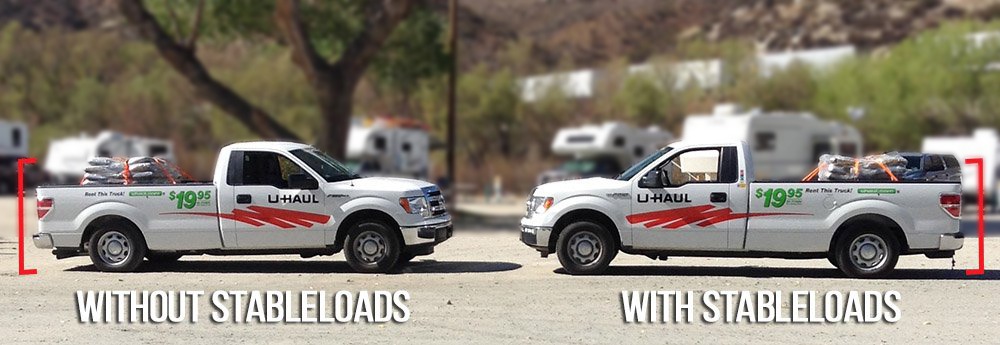
Randy Fisher, Torklift's National Sales Manager, explained the challenge at the Lance Owners of America Rally in sunny California. The setup was straightforward: two identical Ford F-150 trucks, each carrying 2,800 pounds of rock in the bed. The only difference? One truck had StableLoads engaged, while the other relied solely on factory suspension.
Participants drove both vehicles through a course designed to simulate real-world hauling conditions. They navigated potholes, speed bumps, and corners at highway speeds. The reactions were immediate and consistent.
Without StableLoads: The Uncomfortable Truth
Test drivers didn't mince words about the stock suspension experience. With 2,800 pounds in the bed, the truck felt unstable and unpredictable.
"This thing already feels like it's going to roll over," one driver noted immediately. "It feels loose and it's just a lot of movement back there."
The side-to-side motion was particularly concerning. Multiple drivers compared the sensation to being on a boat, with constant rocking that made them question their safety. The lack of responsiveness was another common complaint. When you're hauling that much weight, you want your truck to respond predictably to steering inputs and braking.
"I wouldn't want to drive in this under these conditions very long," another participant said. "I don't feel safe."
The braking distance was noticeably longer, and the truck exhibited what drivers called a "porpoising effect," where the rear end would shift and sway during stops and turns. For anyone who regularly hauls heavy loads, these aren't minor inconveniences. They're legitimate safety concerns.
With StableLoads: A Different Truck Entirely
The transformation was immediate and dramatic. When drivers switched to the truck with StableLoads engaged, their reactions told the story.
"It's not like having any load at all," one driver observed. "The springs are more engaged instead of being compressed all the way down."
The difference in handling was the most consistent feedback. The side-to-side wobbling disappeared. The truck felt planted and responsive. Drivers reported better steering control, improved braking, and a ride quality that made them forget they were hauling nearly three thousand pounds.
"This is amazing," multiple participants said. "I didn't get any porpoising effect at all. It's not even loose back there."
The confidence factor was unmistakable. These weren't professional test drivers offering scripted responses. These were truck camper owners who deal with heavy loads regularly. They understood the challenges of hauling, and they recognized a genuine solution when they experienced it.
The Science Behind the Difference
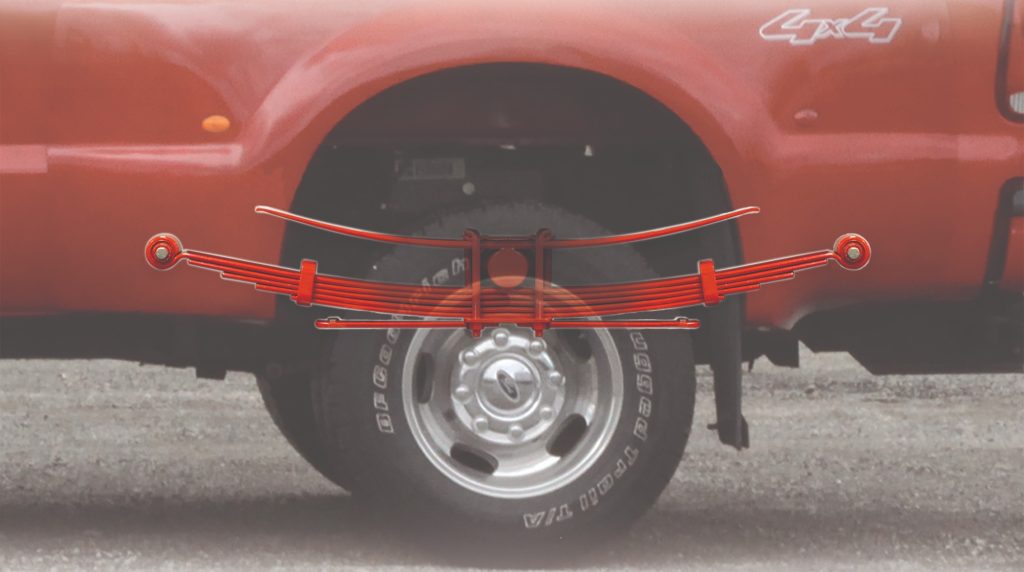
StableLoads work by engaging your vehicle's factory overload springs earlier in the suspension cycle. Most trucks have overload springs designed to activate under heavy loads, but there's typically a gap between the main leaf spring pack and the overload. Under load, your truck has to sag several inches before those overload springs engage.
StableLoads eliminate that gap. They pre-activate the overload springs, which means your suspension is working at full capacity from the moment you add weight. This results in:
- Less rear-end sag
- Better steering control
- Reduced body roll and sway
- Improved braking performance
- A more stable ride overall
The beauty of the system is its simplicity. StableLoads work with your factory suspension, not against it. They don't bypass the engineering that truck manufacturers invested millions of dollars developing. They enhance it.
Measured Performance: The Numbers Don't Lie
Beyond the subjective driver feedback, Torklift conducted rigorous scientific testing using inclinometers to measure horizontal and vertical tilt. The results were definitive.
When driving through a pothole, the factory suspension registered 151 degrees of inclination. Airbags brought that down to 62 degrees. StableLoads? Just 30 degrees of inclination.
Over a speed bump, rubber springs registered nearly 36 degrees, and a sway bar came in at 31 degrees. StableLoads measured under 10 degrees.
During high-speed cornering, rubber bump stops hit 36 degrees, rubber springs 35 degrees, while StableLoads registered only 20 degrees.
In every test scenario, StableLoads outperformed competing suspension upgrades by significant margins. The lower the degree of inclination, the less movement and the better the handling. StableLoads consistently delivered the most stable, controlled ride.
Why StableLoads Outperform Other Solutions
The suspension upgrade market offers numerous options: airbags, sway bars, upgraded shocks, rubber springs, and bump stops. Each has its place, but none address the fundamental issue the way StableLoads do.
Airbags are designed for leveling, not stability. They lift weight off your factory suspension and redistribute it onto what amounts to two balloons mounted over the axle. This can actually increase unsafe handling characteristics like sway, porpoising, and body roll, even though your truck appears level.
Sway bars and shocks provide only two points of control. They can help, but they don't engage your factory overload springs or maintain the four-point suspension system your truck was engineered with.
StableLoads maintain your vehicle's factory four-point suspension system. They work with the engineering already in your truck, activating the stabilizing effect designed into your rear springs. This is why they consistently outperform alternatives in real-world testing.
The Quick Disconnect Advantage
One of the most practical features of the lower StableLoad system is the quick disconnect capability. You can engage or disengage them in seconds without tools.
When you're hauling or towing, engage the StableLoads for maximum stability and control. When you're driving unloaded, disengage them to return to your factory ride quality. This versatility means you get the best of both worlds: a comfortable daily driver that transforms into a stable hauling machine when you need it.
Fleet Applications: Proven in Demanding Environments
The StableLoad Challenge focused on truck campers, but the benefits extend to any vehicle carrying heavy loads. Fleet operators have discovered that StableLoads dramatically improve safety and stability for work trucks carrying equipment, utility vehicles with cargo boxes, and service trucks with varying payload demands throughout the day.
In fleet demonstrations, trucks equipped with StableLoads showed measurable improvements in:
- Rear suspension sag (reduced by approximately one inch)
- Steering response and control
- Cornering stability
- Braking performance
- Overall ride quality under load
For fleet managers concerned about driver safety and vehicle performance, StableLoads offer a cost-effective solution that requires no complicated maintenance and comes with a lifetime warranty.
Installation: Simple and Accessible
StableLoads are designed for straightforward installation. The upper overload version typically takes 30 minutes or less with basic hand tools. The lower overload Quick Disconnect version may require drilling (depending on your vehicle), which adds about 15 minutes per hole, but the actual installation takes 30 minutes or less.
Many truck owners install StableLoads themselves in their driveway or garage. The kit includes everything you need, and Torklift offers free rental of a specialized drill tool (with a refundable deposit) if your application requires drilling.
For those who prefer professional installation, most shops can complete the job in one to two hours. Compared to the complexity and cost of airbag systems or sway bar installations, StableLoads offer a refreshingly simple solution.
Built to Last: American-Made Quality
StableLoads are manufactured in the United States from stainless steel (in select models) to resist corrosion. They're backed by Torklift's Legendary Lifetime Warranty, which extends to your leaf springs while your vehicle is under manufacturer warranty.
This isn't a product you'll replace or upgrade. It's a one-time investment in your vehicle's safety and performance. The robust construction means reliable load support year after year, with no maintenance requirements or risk of failure.
The 90-Day Satisfaction Guarantee
Torklift stands behind the StableLoad with a 90-day satisfaction guarantee. Install them, use them under real-world conditions, and experience the difference. If they don't transform your ride with improved stability, control, and confidence, return them for a full refund.
This guarantee reflects the confidence that comes from years of testing and thousands of satisfied customers. When you let people experience the difference firsthand, you don't need to worry about returns.
Real Customers, Real Results
The StableLoad Challenge captured genuine reactions from truck owners who understand the demands of hauling. These weren't actors or paid endorsers. They were LOA members who regularly deal with heavy loads and know what good suspension performance feels like.
Their consistent feedback, the measurable test results, and the overwhelming positive response tell a clear story: StableLoads deliver a level of performance that other suspension upgrades simply can't match.
Making the Right Choice for Your Truck
When you're investing in suspension upgrades, you want solutions that actually work. The StableLoad Challenge removed the guesswork and the marketing hype. It put two trucks side by side and let drivers experience the difference.
The results were unambiguous. StableLoads provide superior stability, better control, improved safety, and a more confident driving experience under heavy loads. They work with your factory suspension, they're easy to install, they're built to last, and they're backed by a company that stands behind its products.
Whether you're hauling a truck camper, towing a trailer, or operating a fleet of work trucks, StableLoads offer a proven solution that enhances your vehicle's performance without compromising comfort or reliability.
Frequently Asked Questions
What vehicles are compatible with StableLoads?
StableLoads work with Ford, Dodge, Chevy, and GMC trucks equipped with factory overload springs. They're also compatible with many full-size vans and SUVs with rear leaf spring suspension. Torklift offers both upper and lower overload applications to fit a wide range of vehicles.
Do I need airbags if I have StableLoads?
Many StableLoad users find they don't need airbags at all. StableLoads dramatically improve handling and reduce sag by pre-loading the factory overload springs. If you already have airbags, StableLoads work in conjunction with them, often allowing you to reduce air pressure from 80+ psi to around 30 psi while maintaining better stability.
How do StableLoads compare to airbags for suspension performance?
StableLoads and airbags serve different purposes. Airbags are designed for leveling, not stability. They lift weight off your factory suspension and can actually increase unsafe handling characteristics. StableLoads maintain your factory four-point suspension system and activate the stabilizing effect engineered into your rear springs, resulting in superior handling and safety.
Can I install StableLoads myself?
Yes. StableLoads are designed for DIY installation with basic hand tools. Upper overload StableLoads typically take 30 minutes or less. Lower overload Quick Disconnect StableLoads take about the same time, though some applications require drilling holes in the leaf springs (approximately 15 minutes per hole). Torklift offers a free drill tool rental to make this process easier.
Will StableLoads damage my truck's suspension?
No. Your vehicle's suspension has been extensively tested by factory engineers. StableLoads simply engage the overload springs sooner, keeping the chassis frame nearly level and providing better steering alignment and handling. They work with your factory engineering, not against it.
Do StableLoads increase my truck's weight capacity?
No. StableLoads dramatically improve stability and handling, but they don't increase your vehicle's factory-rated weight capacity. Always stay within your manufacturer's specifications for payload and towing.
How long do StableLoads last?
StableLoads are built from durable materials (stainless steel in select models) and are backed by Torklift's Legendary Lifetime Warranty. They require no maintenance and are designed to provide reliable performance for the life of your vehicle.
Can I turn StableLoads on and off?
The lower overload Quick Disconnect StableLoads can be engaged or disengaged in seconds without tools. This allows you to run them engaged when hauling or towing for maximum stability, then disengage them when driving unloaded to return to your factory ride quality. Upper overload StableLoads remain engaged once installed.
What's the difference between upper and lower StableLoads?
Lower overload StableLoads offer a quick disconnect feature and work with the shorter, thicker lower overload spring, providing approximately 30% better handling than upper overload applications. Upper overload StableLoads replace factory bump stop pads and are ideal for vehicles with factory upper overload springs. Torklift generally recommends starting with lower overload StableLoads when possible.
How much do StableLoads cost compared to other suspension upgrades?
StableLoads cost up to 50% less than comparable suspension upgrade products. Starting at around $449, they offer superior performance at a lower price point than airbag systems, sway bars, or complete shock replacements. When you factor in the lifetime warranty and no maintenance requirements, they represent exceptional value.