


Installation Disclaimer: This blog is intended as a general reference only. It may not include every step, tool, torque specification, or vehicle-specific detail needed for your installation. Always refer to the official installation instructions included with your product for the complete procedure, required tools, torque values, safety information, and fitment details.
Torklift Upper StableLoads are designed to improve your truck's handling and stability, particularly when hauling heavy loads or towing. This guide walks you through the installation process to help you get the most out of your vehicle's suspension system.
Locating the Upper Overload Contact Brackets
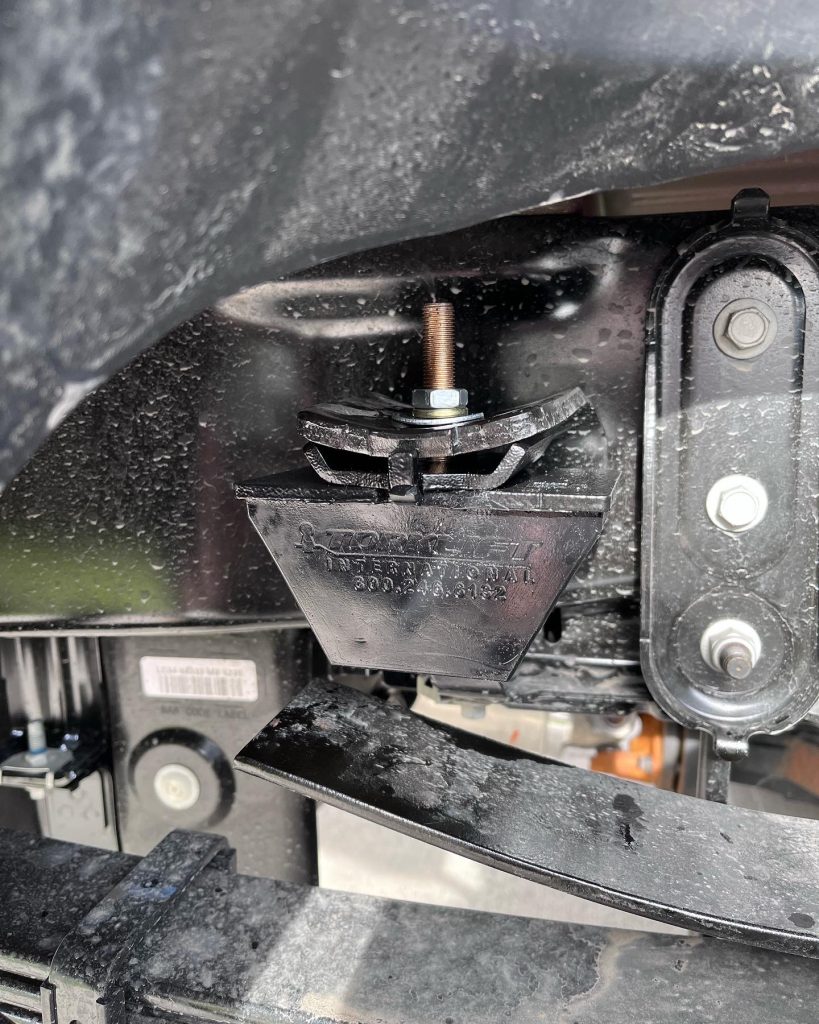
Begin by identifying the upper overload contact brackets on each side of your vehicle. These brackets are positioned just above the upper overload spring. You'll likely notice a rubber pad attached to the bottom of each bracket.
The shape of these brackets matters. Whether the bottom of the upper overload contact brackets are round or flat will determine whether you need to use anti-rock plates during installation.
Preparing for Installation
Start by removing the hardware from the stable load. This prepares the components for mounting.
Unloading the Suspension
In some cases, you may need to unload the suspension to properly install the StableLoad blocks. Here's how:
- Chock the front tires to prevent vehicle movement
- Position a floor jack under the rear hitch
- Lift the rear of the truck using the hitch as the jacking point
This process relieves tension on the suspension components and creates the clearance needed for installation.
Installing the StableLoad Upper Overload Blocks
With the suspension unloaded, you're ready to mount the StableLoad assemblies.
Insert the threaded portion of each stable load block up through the hole in the middle of the corresponding overload contact bracket. Pay attention to the tab positioning:
- One tab on the top of the stable load block sits inside the slot of the anti-rock plate
- The other tab rests outside of the bracket
Once positioned correctly, reattach the hardware on the bolts and tighten them down.
Important Note About Anti-Rock Plates
The anti-rock plates do not need to be perfectly flush with the bracket. Some variation in positioning is acceptable and won't affect performance.
Adjusting the Gap Between Components
You may need to adjust the gap between the overload spring and the stable load for optimal performance. If necessary, you can cut up to 5/8 of an inch off the bottom of the StableLoad assembly to increase this gap.
A band saw works best for this modification, though other cutting methods can be used.
Working with Airbags
If your vehicle is equipped with airbags, you'll want to fine-tune your setup for the best results.
Adjusting the air spring pressure is recommended to obtain the best handling and ride quality. Keep in mind that air pressure will vary depending on your particular application and load requirements.
Gap Considerations with Airbags
After lowering your airbag pressure, you may notice a small gap remaining between the overload spring and the stable load. This is perfectly acceptable. The StableLoad does not need to be in continuous contact with the overload spring to function properly.
Completing the Installation
Once you've positioned all components correctly, torque all the bolts to the proper specifications. With everything tightened to spec, your installation is complete.
Your truck is now equipped with Upper StableLoads that will enhance handling and stability during demanding driving conditions.
Important Reminders
Always refer to the official installation instructions when installing Torklift products, as they are updated regularly with the latest specifications and procedures. This ensures you have the most current information for your specific application.
For questions about your installation or product specifications, visit the Torklift website or call 800-246-8132.
Frequently Asked Questions
Do the anti-rock plates need to be perfectly aligned with the bracket?
No, the anti-rock plates do not need to be perfectly flush with the bracket. Some variation in positioning is normal and acceptable.
Do I always need to unload the suspension to install Upper StableLoads?
Not always. In some cases it may be necessary to unload the suspension for installation, but this depends on your specific vehicle and current suspension setup.
How much can I trim off the StableLoad block if needed?
You can cut up to 5/8 of an inch off the bottom of the stable load block to increase the gap between the overload spring and the stable load.
What's the best tool for trimming the StableLoad block?
A band saw works best for this task, though other cutting methods can be used.
Does the StableLoad need to touch the overload spring at all times?
No, it is not necessary for the stable load to be in continuous contact with the overload spring.
Where can I find the torque specifications for the bolts?
Torque specifications are included in the official installation instructions that come with your product. Always refer to these instructions for the proper specs.