


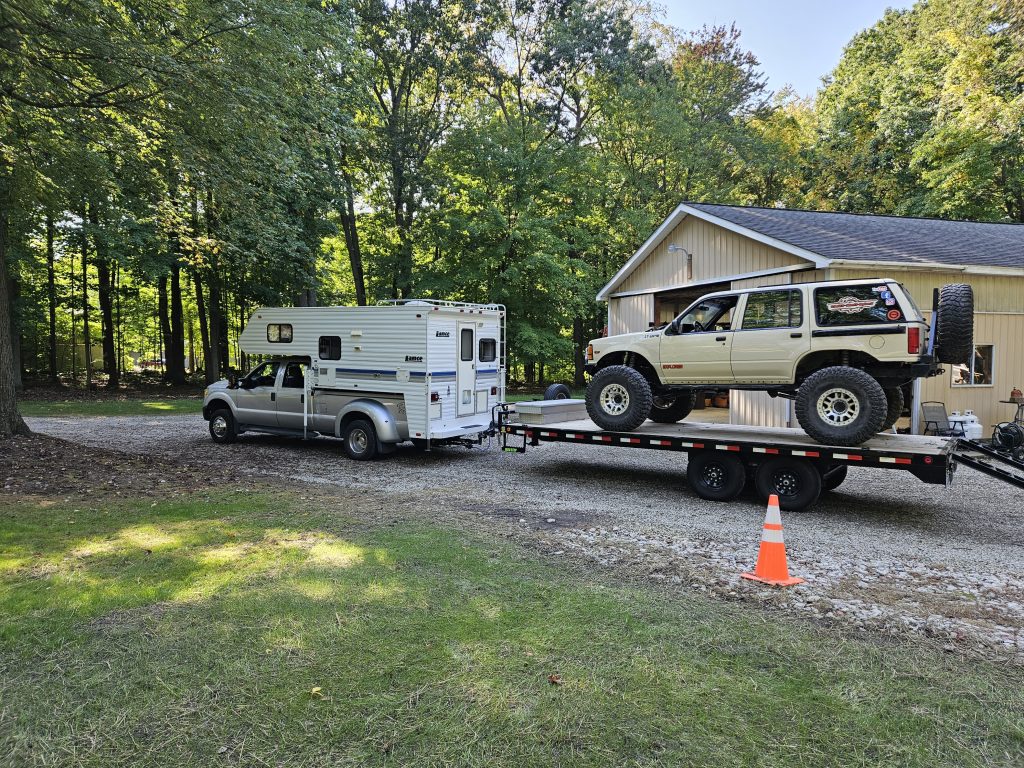
Adding a truck camper turns your pickup into a versatile, comfortable RV. But it also changes how your truck handles weight, ride quality, and safety. Proper load support is essential for predictable handling, reduced body roll, and a more comfortable ride. For many truck camper owners, Upper StableLoads are the best way to get the support and control they need without sacrificing comfort.
This article explains load support for truck campers, how StableLoads work, and when to choose Upper StableLoads to get the most from your rig.
Why load support matters for truck campers
Truck campers place concentrated weight over the rear axle and rear suspension. Without the right support, that weight can cause:
- Excessive rear sag and an uneven stance
- Increased body roll during cornering
- Reduced steering control and front-end traction
- Excessive axle wrap or wheel hop under acceleration
- Uncomfortable ride quality when driving empty or lightly loaded
Good load support reduces sag and improves handling while preserving ride comfort when you are not fully loaded. It also helps your camper sit level for safer loading and living.
What are StableLoads and how do they work?
StableLoads are aftermarket suspension devices designed to reduce spring wrap and control leaf spring movement. They work by engaging the leaf pack under load and increasing the effective spring rate when needed, while leaving unloaded ride quality largely unchanged.
There are two main installation positions:
- Upper StableLoads: Mounts to upper overload spring.
- Lower StableLoads: Mounts to lower overload spring and has the ability to be disengaged when the vehicle is not loaded to return vehicle to the factory ride.
When to choose Upper StableLoads for a truck camper
Upper StableLoads are the preferred choice for many truck camper installations. Choose Upper StableLoads when any of the following apply:
- You carry a truck camper that closely approaches the rear axle capacity or adds substantial rear weight.
- You experience rear sag when your camper is mounted or when loaded with gear.
- You want improved lateral stability, reduced body roll, and better handling on corners and wind gusts while camping or driving.
- You want to reduce axle wrap and wheel hop under acceleration or on steep grades.
- You value ride comfort when the truck is driven without the camper or lightly loaded. Upper StableLoads engage primarily under load, preserving a softer unloaded ride.
- You prefer a progressive solution that increases support as weight increases, rather than a permanently stiffer ride.
- You run factory or aftermarket leaf springs and want a bolt-on solution without spring replacement.
Upper StableLoads are especially effective when paired with proper weight distribution, secure camper tie downs, and correctly set tire pressures.
Upper vs Lower StableLoads - Quick comparison
| Feature | Upper StableLoads | Lower StableLoads |
|---|---|---|
| Engagement style | Progressive, engages under load | Engages sooner, can be active even unloaded |
| Ride comfort (unloaded) | Preserved, comfortable | Often firmer at all times |
| Best for truck campers | Yes | Yes |
| Effect on sway and body roll | Reduces significantly under load | Reduces but may increase harshness |
| Installation location | Upper overload spring | Lower overload spring |
Signs you need Upper StableLoads
Check for these common indicators:
- Noticeable rear sag with the camper installed
- Increased body roll or sway during cornering or in crosswind
- Front end feels light or steering wanders when camper is mounted
- Wheel hop or axle wrap under acceleration
- Difficulty leveling the camper on the truck bed or excessive tilt when loaded
If one or more of these match your experience, Upper StableLoads are likely to improve performance.
Installation and compatibility basics
- Upper StableLoads are a bolt-on solution that mount to the upper overload spring.
- Compatibility: StableLoads are available for a wide range of truck models. Verify fitment for your truck make, model, year, and leaf spring dimensions before purchase.
- Tools and effort: Basic hand tools are usually sufficient, but lift clearance and safely supporting the truck is required. If you are not comfortable working under the vehicle, have a certified installer or dealership perform the install.
- No change to GVWR: Installing Upper StableLoads does not change your truck’s gross vehicle weight rating. They improve support and handling but do not increase manufacturer-rated payload. Always stay within GVWR and camper weight limits.
Best practices for optimal performance
- Check and set tire pressures to the recommended values for your loaded configuration.
- Recheck cab-to-axle and camper tie down points after installation to ensure proper alignment and security.
- Inspect StableLoads and mounting hardware periodically for tightness and wear.
- Test drive carefully after installation to understand the adjustments in handling and braking with your camper mounted.
Maintenance and troubleshooting
- Inspect bolts and clamps after the first 100 miles, and periodically thereafter.
- If you hear clunking or vibration, check for loose hardware or improper fitment.
- Replace worn components as needed; do not operate with failed or missing parts.
Final thoughts
For most truck camper owners, Upper StableLoads strike the best balance between ride comfort and load support. They provide progressive, under-load support that reduces sag, body roll, and axle wrap while preserving a comfortable ride when the camper is not mounted. Properly selected and installed Upper StableLoads help you enjoy safer, more controlled driving and a more stable camper experience.
Frequently Asked Questions
Q: Will Upper StableLoads increase my truck’s payload or GVWR?
A: No. Upper StableLoads improve how the suspension supports and controls weight, but they do not change the vehicle manufacturer’s rated payload or GVWR. Always stay within those limits.
Q: Will Upper StableLoads make my unloaded ride harsh?
A: No. Upper StableLoads are designed to engage progressively as the leaf spring compresses.
Q: Can I install Upper StableLoads myself?
A: Many owners can install them with basic tools and safe vehicle support. However, if you are not comfortable working under your truck, have a professional installer do the job.
Q: Do Upper StableLoads replace the need for proper tie downs and weight distribution?
A: No. StableLoads supplement suspension control. Secure camper tie downs, correct tongue weight, and balanced cargo placement remain essential for safe operation.
Q: Are Upper StableLoads compatible with lift kits or aftermarket springs?
A: Compatibility varies. Check specific StableLoad fitment for your truck, spring width, and any lift or aftermarket components. Contact the manufacturer or an installer to confirm fitment.
Q: Will StableLoads reduce sway when towing with a truck and camper?
A: Upper StableLoads improve lateral stability by reducing body roll and keeping the rear suspension more controlled under load.
Q: How do I choose between Upper and Lower StableLoads?
A: For truck campers, Lower StableLoads are the primary load support and Upper StableLoads are offered as a secondary support.