


Installation Disclaimer: This blog is intended as a general reference only. It may not include every step, tool, torque specification, or vehicle-specific detail needed for your installation. Always refer to the official installation instructions included with your product for the complete procedure, required tools, torque values, safety information, and fitment details.
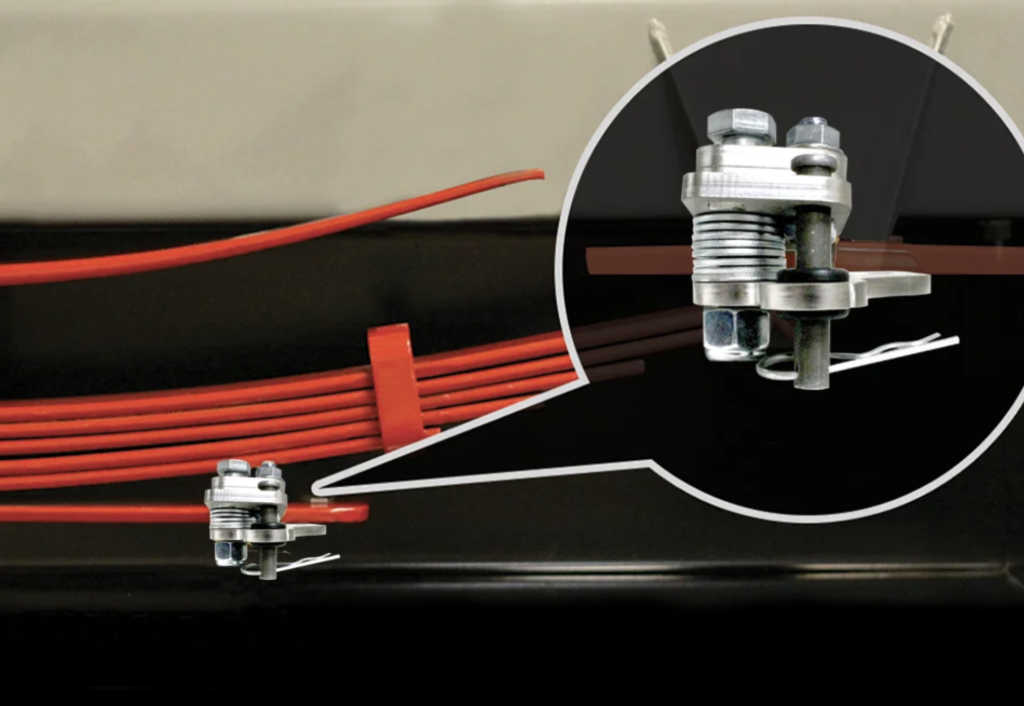
Installing Torklift StableLoad systems on vehicles with lower overload springs is a straightforward process when you follow the proper drilling technique. Whether you drive a pickup truck, SUV, motor home, or passenger car, this guide will walk you through the essential steps for drilling your leaf springs safely and effectively.
Before You Begin: Check for Pre-Drilled Holes
Many vehicles, particularly pickup trucks, come with holes already pre-existing in the lower overload spring. If your vehicle has these factory holes, you can use Torklift part number A7311S, which is a no-drill application. This will save you time and allow for immediate installation.
Preparing for Installation
Start by pulling all the parts out of your StableLoad kit and familiarizing yourself with each component. Take time to thoroughly read your instruction booklet before beginning any work.
Required Tools and Materials
Beyond your basic hand tools, you'll need:
- Low speed drill
- Cutting oil or motor oil
- Butterfly shut-off valve (optional, for air-powered drills)
Controlling Your Drill Speed
Maintaining the proper drill speed is critical for this installation. You need to operate at 200 to 300 RPM to preserve the life of your drill bits when working with hardened spring steel.
For air-powered drills, install a simple butterfly shut-off valve in the airline prior to the drill. This allows you to regulate air pressure and reduce the RPM of your drill motor effectively.
Step 1: Measure and Mark Your Leaf Springs
Accurate marking ensures proper StableLoad placement and function.
Mark all four drilling points:
- Front of driver's side spring
- Rear of driver's side spring
- Front of passenger side spring
- Rear of passenger side spring
Each mark should be positioned one inch from the end of the leaf spring.
Step 2: Begin Drilling with Proper Lubrication
Oil your drill bit thoroughly before starting. This initial lubrication is just the beginning of a continuous process that protects your equipment and ensures clean holes.
Begin drilling at your first marked point. The key to success lies in two critical factors: constant lubrication and proper pressure.
The 5 to 10 Second Rule
Stop drilling every 5 to 10 seconds to re-oil your drill bit. This frequent lubrication is not optional. If you fail to oil the drill bit at these intervals, you will damage the bit within a short period of time, making the installation difficult or impossible to complete.
Step 3: Apply Solid, Consistent Pressure
Working with hardened spring steel requires more force than typical drilling applications. Apply relatively high pressure to the drill, enough that the spring deflects upward during the drilling process.
On a typical pickup truck, you should see the overload spring move up as much as a quarter of an inch when applying proper drilling pressure.
Step 4: The Dimple Technique
Do not drill all the way through the spring on your first pass. Instead, watch for a small dimple to form on the top surface of the overload spring as you approach the opposite side.
Once you see this dimple form, stop drilling that hole immediately and move to the next marked point.
Step 5: Complete All Four Dimples
Repeat the dimpling process on all four marked drilling points:
- Drill until dimple forms
- Stop and move to next point
- Oil bit every 5 to 10 seconds
- Maintain solid pressure throughout
- Continue until all four points show dimples
Step 6: Finish Drilling Through
After you've created dimples on all four points, return to your original hole. Now drill completely through the lower overload spring, allowing the bit to pass all the way through.
Repeat this complete drilling process on the remaining three holes.
Step 7: Install Your StableLoad System
With all four holes properly drilled, you're ready to proceed with bolting the StableLoad components in position according to your instruction booklet.
Key Success Factors
| Factor | Requirement | Why It Matters |
|---|---|---|
| Drill Speed | 200-300 RPM | Prevents bit damage and overheating |
| Lubrication Frequency | Every 5-10 seconds | Protects drill bit and ensures clean cuts |
| Drilling Pressure | High (deflects spring ¼ inch) | Necessary for hardened spring steel |
| Measurement | 1 inch from spring end | Ensures proper StableLoad function |
| Dimple Technique | Stop before breakthrough | Prevents damage to spring surface |
Frequently Asked Questions
Do I need to drill holes in my leaf springs?
Not necessarily. Many vehicles, especially pickup trucks, come with holes already pre-existing in the lower overload spring. If your vehicle has these factory holes, you can use Torklift part number A7311 for a no-drill installation.
What drill speed should I use for drilling leaf springs?
You need to operate at 200 to 300 RPM. This low speed is essential for maintaining drill bit life when working with hardened spring steel.
How often do I need to oil the drill bit?
You must stop and re-oil your drill bit every 5 to 10 seconds. Failing to maintain this lubrication schedule will damage the drill bit within a short period of time.
How much pressure should I apply when drilling?
Apply relatively high force, enough that the spring deflects upward. On a typical pickup truck, you should see the overload spring move up as much as a quarter of an inch when applying proper drilling pressure.
Why shouldn't I drill all the way through on the first pass?
The dimple technique prevents damage to the top surface of the spring. Drill until a small dimple forms on the top surface, then stop and move to the next hole. Only after all four points are dimpled should you return to drill completely through.
Where exactly should I mark the drilling points?
Mark each drilling point one inch from the end of the leaf spring. You'll need four total marks: front and rear on both the driver's side and passenger's side.
What type of oil should I use?
You can use either cutting oil or motor oil for lubricating the drill bit during the drilling process.
What vehicles can use this drilling method?
This method works for any vehicle with lower overload springs, including pickup trucks, SUVs, motor homes, and passenger cars.
For more information on StableLoad products or other Torklift products, visit www.torklift.com or call for live tech support at 1-800-246-8132.