


When customers ask about safety after bumper beam removal, we take the question seriously. Here is the engineering context behind our answer.
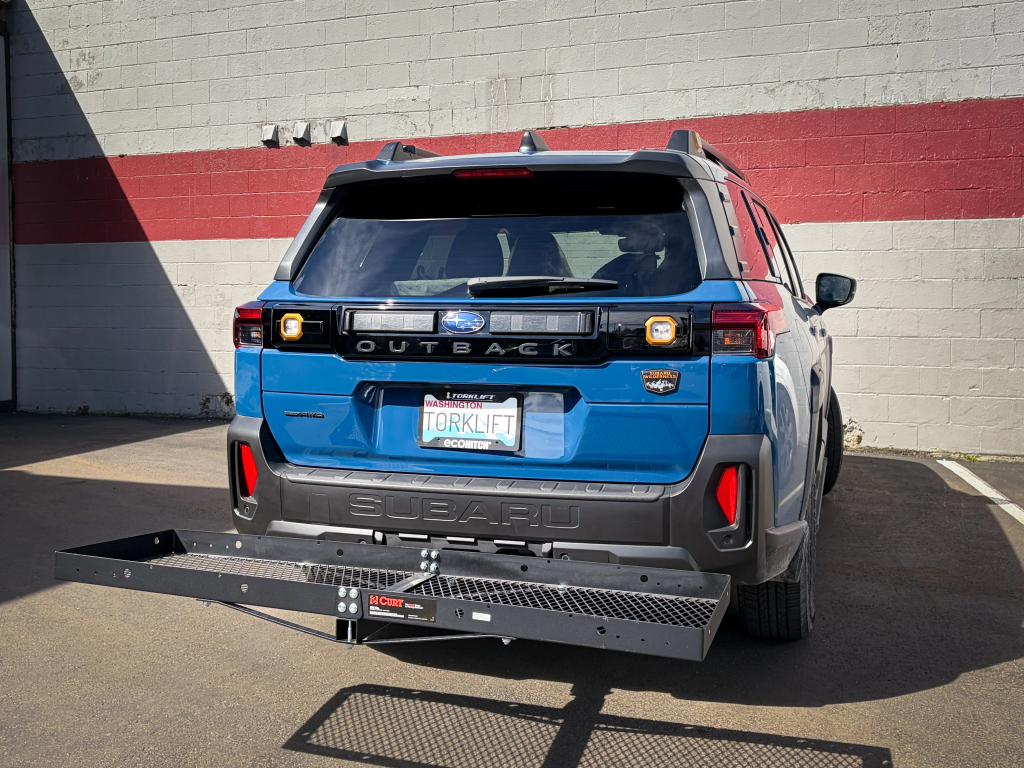
At Torklift, we hear this question regularly: "If the bumper beam comes off during EcoHitch installation, is my vehicle still safe?" We understand why customers ask. The word "bumper" sounds protective. Removing any part of the vehicle raises a legitimate question. And the internet has plenty of forums where people argue both sides without distinguishing between property damage protection and occupant safety.
We take this question seriously because our customers deserve a clear, engineering-grounded answer. This article provides that answer.
We Understand the Concern
The concern is reasonable. Removing a structural-looking metal bar from behind the bumper cover feels like removing protection. If you did not know what the bar was designed for, or what speed it was tested at, or what actually protects passengers in a collision, the removal would feel wrong.
We do not dismiss this concern. We address it with facts.
What the Bumper Beam Is Designed For
The rear bumper reinforcement beam is governed by the federal bumper standard (49 CFR Part 581). That standard tests at 2.5 mph in a straight rear impact and 1.5 mph in a corner impact. The purpose is to reduce property damage (repair costs) from very low-speed contacts. It is not a crash safety standard. It is not part of the federal rules that protect occupants in collisions.
2.5 mph is slower than most people walk. It is the speed of a gentle parking lot bump. The beam's engineering scope begins and ends at that scale.
What Actually Protects Passengers
The vehicle's occupant protection comes from crumple zones, frame rails, cabin structural integrity, seatbelts, pretensioners, head restraints, airbags, and fuel system containment. These are tested under Federal Motor Vehicle Safety Standards at 30+ mph. They are designed to manage the forces of real-world collisions. None of these systems depend on the rear bumper beam.
Why We Are Confident in EcoHitch
| Why We Are Confident | What It Means | What It Means for the Customer |
| EcoHitch is vehicle-specific. | Each EcoHitch is engineered for a specific vehicle's rear structure, frame geometry, and packaging. | The hitch is designed around the vehicle, not adapted from a generic template. |
| The bumper beam's function is low-speed damage resistance. | The beam operates at 2.5 mph. Occupant safety operates at real collision speeds. | Removing the beam does not remove the systems that protect passengers. |
| NHTSA accommodates hitches in the regulation. | The bumper test removes hitches. Federal law says bumper rules should not preclude hitch attachment. | The regulatory framework was designed to allow this. |
| Millions of vehicles operate this way. | Beam replacement by hitches is standard practice across the industry. | This is not experimental. It is established, common, and accepted. |
| Torklift provides manufacturer support. | Direct support from the team that engineered and tested the hitch. | Fitment, installation, and product questions go to the people who designed it. |
What We Tell Customers Who Are Still Unsure
We respect the question. If a customer is uncomfortable with bumper beam removal, we do not pressure them. We provide the engineering context, explain the regulatory framework, distinguish property damage from occupant safety, and let the customer make their own informed decision.
What we do not do is pretend the concern does not exist. It exists because the word "bumper" sounds protective. It exists because people care about their safety and their family's safety. Those are good instincts. The engineering answer is that the systems protecting passengers (crumple zones, frame, cabin, seatbelts, airbags) are untouched by bumper beam removal, and the component being removed was designed for parking lot bumps at walking speed, not collision protection.
What to Do Next
If you are considering an EcoHitch for your vehicle and want to understand the installation, check the product page for your specific vehicle. Review whether the installation involves the bumper beam. Read the installation instructions. And contact Torklift support with any questions. We are the manufacturer. We wrote the instructions. We designed the hitch for your vehicle. And we are happy to walk through the bumper beam question with you directly.
Key Takeaways
- The bumper beam concern is reasonable. We take it seriously and address it with engineering context.
- The beam is a 2.5 mph property damage component. Passenger safety comes from crumple zones, frame, cabin, seatbelts, and airbags.
- None of the occupant protection systems are affected by beam removal during a properly engineered hitch installation.
- NHTSA accommodates hitches. Millions of vehicles operate this way. It is standard practice.
- Contact Torklift support with questions. We are happy to discuss the bumper beam question directly.
Check fitment for your vehicle.
Contact Torklift support with bumper beam questions.
Frequently Asked Questions
Does Torklift take the bumper beam concern seriously?
Yes. We hear it regularly and we address it with engineering context, not dismissal.
Is the vehicle still safe after beam removal?
The occupant protection systems (crumple zones, frame, cabin, seatbelts, airbags) are not affected by bumper beam removal. These are the systems that protect passengers.
What does the bumper beam actually do?
It reduces property damage in very low-speed contacts at 2.5 mph (walking speed). It is not a crash safety component.
Why is Torklift confident in EcoHitch?
Vehicle-specific engineering, the regulatory framework accommodating hitches, the beam's limited 2.5 mph scope, millions of vehicles operating this way, and direct manufacturer support.
What if I am still unsure?
Contact Torklift support. We are happy to walk through the question with you directly and help you make an informed decision.
Does the hitch improve crash safety?
No. The hitch is for towing and accessories. But removing the beam for a properly engineered hitch does not compromise the systems that protect passengers in collisions.