


The research covers payload. The dealer covers features. But the connection between the camper and the truck rarely gets the conversation it deserves.
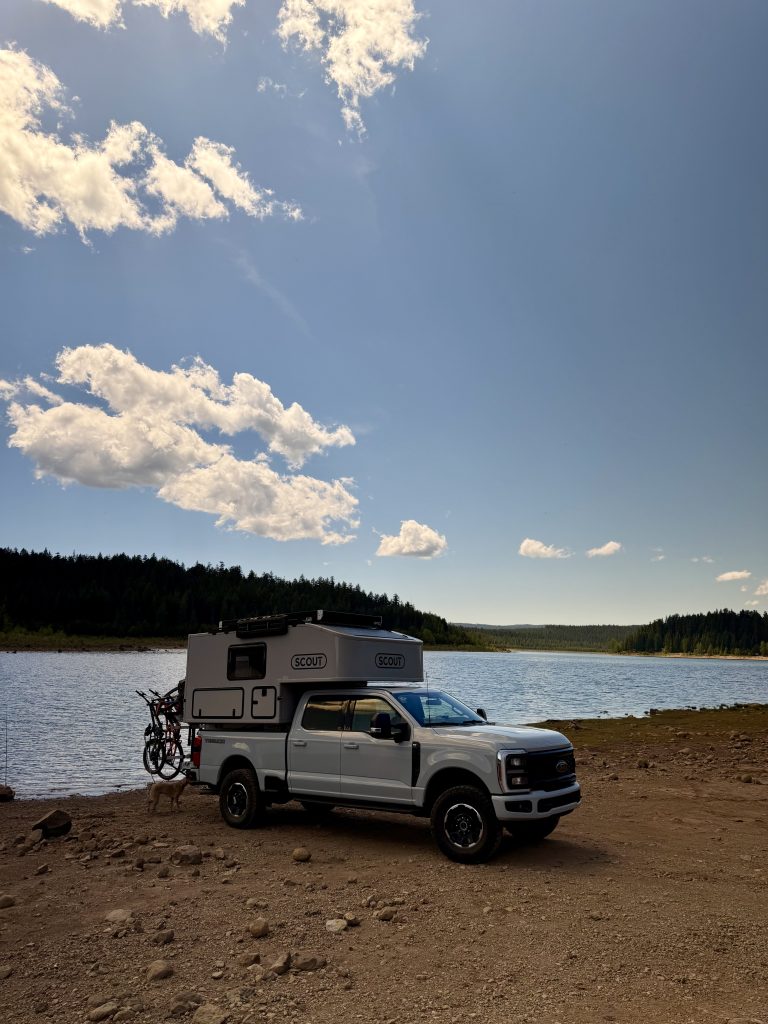
You can research truck campers for months. You can calculate payload, compare floor plans, measure bed dimensions, read owner forums, and watch walk-through videos until you know the interior of a camper better than your own kitchen. And when the camper finally arrives and sits in the bed of your truck for the first time, it can feel like you have thought of everything.
You probably have not thought of everything. There is one area of truck camper ownership that almost never gets the attention it deserves in the buying process, and it is the one area that affects every single mile you drive with the camper loaded: the connection between the camper and the truck.
The Conversation Nobody Has Before the First Trip
When you buy a truck camper, the conversation focuses on the camper itself: the layout, the weight, the amenities, whether it fits the truck. Those are important conversations. But the conversation about how the camper actually connects to the truck, how it stays in position, and what happens to that connection during real driving over real roads, rarely happens at all.
Most buyers assume that if the camper was loaded and secured the way the manufacturer or dealer described, the job is done. And for the first day in the driveway, it looks done. The camper sits. The truck sits. Everything seems fine.
The road, however, is not a driveway.
Why the Camper-to-Truck Connection Matters More Than Most Buyers Realize
A truck camper is a dynamic load. It has a high center of gravity. It rides on top of the truck bed, not inside a trailer frame. Every time the truck accelerates, brakes, turns, crosses a washboard surface, hits a wind gust, or transitions between road surfaces, the camper is responding to those forces. The connection between the camper and the truck is what determines how well the camper responds to those forces as a unified part of the vehicle rather than as a separate object sitting on top of it.
When the connection is strong and well-maintained, the truck and camper behave as one system. The driver feels the vehicle respond predictably. When the connection is less secure, or when it degrades over the course of a drive, the camper can begin to behave independently of the truck. That independence, even when it is small, changes how the vehicle drives, handles, and responds to real-world conditions.
What the Road Actually Does to a Loaded Truck
| Road Condition | What It Does to a Loaded Camper | What to Pay Attention To |
| Highway driving | Sustained speed and wind exposure apply lateral and longitudinal forces. | Does the truck feel planted, or does it wander more than expected? |
| Crosswinds | Side loads push against the camper's broad profile and high center of gravity. | Does the truck respond cleanly, or does it feel like the camper is responding separately? |
| Braking | Forward momentum transfers weight and can shift loads that are not fully secure. | Does the truck stop straight, or is there a sense of trailing weight? |
| Washboard and rough roads | Repeated vibration cycles the connection between truck and camper constantly. | Does the ride feel solid, or does something feel loose after rough miles? |
| Turns and curves | Lateral forces test the lateral stability of the camper-to-truck connection. | Does the truck feel like one vehicle, or does the camper seem to lean independently? |
What New Owners Should Inspect Before Driving
Before the first long trip, before the camper gets its first real miles, take the time to understand how the camper connects to the truck. Look at the connection points. Understand what is holding the camper in position. Ask yourself:
- How does the camper anchor to the truck?
- What type of connection points are in use?
- Is the connection designed to maintain its hold over miles, vibration, and varying road conditions?
- How do I inspect the connection, and how often should I inspect it?
- What would I look for if the connection started to change over time?
These are not questions that most buyers think to ask. But they are the questions that separate owners who drive with confidence from owners who discover problems after the damage is already done.
The Part of Truck Camper Ownership That Deserves More Attention
The connection between the camper and the truck matters more than most buyers realize, and it deserves the same level of attention that owners give to payload, floor plans, and route planning.
Before your next trip, take a few minutes to look at how your camper is secured. Understand the connection. Inspect it. Think about what that connection has to handle over real miles. The camper is only as secure as the system holding it in place.
Key Takeaways
- The camper-to-truck connection rarely gets the attention it deserves during the buying process.
- A truck camper is a dynamic load with a high center of gravity. The connection determines how it behaves during real driving.
- Highway driving, crosswinds, braking, rough roads, and turns all test the connection continuously.
- New owners should inspect and understand their camper's connection system before the first long trip.
- The camper is only as secure as the system holding it in place.
Frequently Asked Questions
What do new truck camper owners often overlook?
The camper-to-truck connection. Most buyers focus on the camper's layout, weight, and features but rarely examine how the camper is actually secured to the truck and what that connection must handle over real miles.
Why does the connection between the camper and truck matter?
A truck camper is a high-center-of-gravity dynamic load. The connection determines whether the truck and camper behave as one system or two. A strong, maintained connection improves handling, confidence, and vehicle response.
What should owners understand before their first long trip?
How the camper anchors to the truck, what type of connection points are in use, how to inspect those connection points, and how often to check them.
Why is securing the camper more than just checking a box?
Because the road is not a driveway. Highway speeds, crosswinds, braking, rough surfaces, and turns all apply real forces to the camper-to-truck connection. A connection that looks fine standing still must also perform over miles of dynamic load.
What should owners inspect before driving?
The connection points between the camper and the truck. Understand the system, inspect it visually, and verify it is secure before every trip. Follow the camper manufacturer's guidance for inspection and maintenance.