


Discover Why Torklift StableLoads Outperform Competitors for a Smoother, Safer Ride
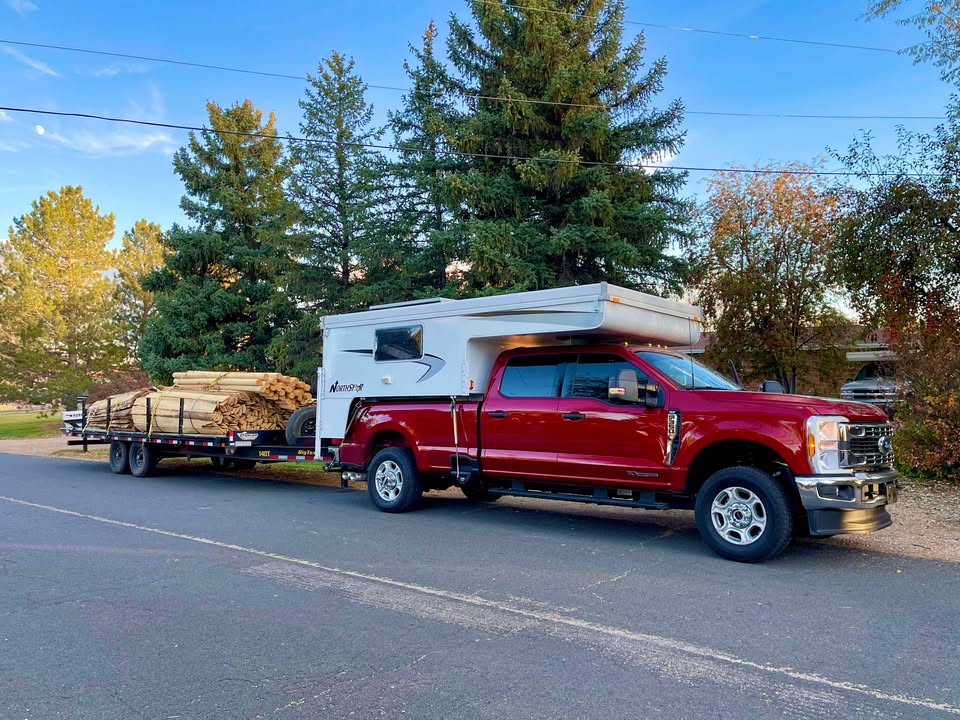
Truck campers give you freedom — but they also change how your truck handles. Too much rear weight can cause sag, body roll, poor braking stability, and uncomfortable ride quality. Torklift StableLoads are an all-in-one suspension solution that lets you control how your truck reacts to a camper, without the tradeoffs of solutions that tackle one issue or the constant fuss of inflatables.
This article explains when to choose lower StableLoad settings for a truck camper, how to evaluate your needs, and why Torklift StableLoads outperform common alternatives.
What StableLoads do and why they matter
StableLoads are adjustable load-support devices that engage your truck’s factory overload leaf springs to reduce body roll, improve stability under cornering and braking, and reduce rear-end sag. Unlike add-a-leaf kits or permanently stiffer springs, StableLoads let you dial in the amount of overload engagement so you can preserve the factory ride when you want it and add support only when you need it.
Key benefits
- Reduces body roll, sway, and trailer sway tendencies caused by rear-heavy loads
- Improves braking stability and reduces nose-dive
- Restores level stance without changing factory ride height when in the disengaged or low position
- Simple, bolt-on installation in most cases with user-adjustable engagement. Torklift offers a free drill tool to assist with installations the require drilling.
When to choose lower StableLoads for a truck camper
Lower StableLoads means pre-engaging your overload springs so your factory suspension works sooner. Lower StableLoads can be engaged when the truck is fully loaded and disengaged to return your vehicle to the factory ride when not loaded.
How Torklift StableLoads act as an all-in-one suspension solution
Torklift StableLoads are engineered to be a single, flexible solution that covers the common suspension issues truck campers create. Instead of adding extra leaf springs, airbags, or shocks, StableLoads let you adjust how much of the factory overload pack is used.
What makes them all-in-one
- Adjustable engagement: StableLoads can be engaged when the truck is fully loaded and disengaged to return your vehicle to the factory ride when not loaded.
- Preserves factory geometry: When set low or disengaged, the truck retains factory ride characteristics.
- Quick, repeatable setup: You can change engagement between trips as cargo changes.
- Comprehensive stability gains: They reduce sway, side-to-side movement, and braking nose-dive while improving handling.
Why Torklift StableLoads outperform common competitor solutions
| Feature | Torklift StableLoad | Airbags | Add-a-leaf / Permanent Spring Changes |
|---|---|---|---|
| Ride quality when lightly loaded | Preserves factory ride when disengaged or at low setting | Can be harsh if overinflated | Often ride becomes stiffer permanently |
| Adjustability | User-adjustable engagement on the fly | Adjustable via inflation but needs compressor or gauge | Not adjustable without hardware swap |
| Installation complexity | Bolt-on, no spring removal on many models | Requires air fittings, compressor or manual inflation | Requires lifting springs and significant modifications |
| Maintenance | Low; periodic inspection | Requires air system maintenance, leaks possible | Minimal but no reversal without part removal |
| Handling and stability | Targets overload spring for controlled, progressive support | Provides lift/level but can increase bounce | Increases spring rate and can change handling characteristics |
| Permanent change to vehicle | Reversible and tunable | Reversible, but depends on system | Permanent unless parts removed |
Why that matters for truck campers
- Airbags can level a camper but require constant monitoring and can create a bouncy ride when overinflated. They do not directly control roll and sway the way engaging the overload pack does. It is important to note that StableLoads can be used in conjunction with air bags if preferred.
- Add-a-leaf or permanent spring stiffening changes the ride all the time. For many truck camper users who switch between loaded and unloaded driving, that permanent change reduces comfort.
- StableLoads combine the best of both worlds. They let you use the factory overload springs when needed for stability, and minimize their influence when you want comfort.
Real-world guidance and setup tips
- Start conservative. Install StableLoads and set them at the lower engagement position for your first trip. Drive and evaluate stability and comfort before increasing engagement.
- Watch for symptoms that call for more support: noticeable sag, bottoming, excessive sway in turns or crosswinds, headshake with a truck camper.
- Use the ability to change settings. If you pick up heavy gear, water, or passengers for a specific trip, move StableLoads to a higher engagement for that trip and return them to low when you’re lighter.
- Combine with proper weight distribution practices. StableLoads are not a substitute for safe packing, correct camper placement over the axle, or staying within your truck’s payload rating. Always confirm weights.
Installation and maintenance highlights
- Torklift StableLoads are designed for bolt-on installation on most leaf-spring trucks. Hardware and instructions are vehicle-specific.
- Because they engage the overload pack rather than replacing springs, installation is less invasive than add-a-leaf kits.
- Inspect mounting hardware periodically for tightness and corrosion. StableLoads are low maintenance compared with air systems that require compressors, lines, and fittings.
If you carry a truck camper and want a flexible, reliable suspension solution, start with Torklift StableLoads. Disengage the StableLoads when unloaded and when you prioritize ride comfort, and increase engagement only as required by heavier loads or handling issues. The adjustability, ease of installation, and targeted engagement of the factory overload springs make StableLoads the most practical all-in-one option for truck campers who need both comfort and control.
Frequently Asked Questions
Q: What exactly are lower StableLoads?
A: StableLoads work by engaging your vehicle's factory overload springs earlier in the suspension cycle. Most trucks have overload springs designed to activate under heavy loads, but there's typically a gap between the main leaf spring pack and the overload. Under load, your truck has to sag several inches before those overload springs engage.
StableLoads eliminate that gap. They pre-activate the overload springs, which means your suspension is working at full capacity from the moment you add weight. This results in:
- Less rear-end sag
- Better steering control
- Reduced body roll and sway
- Improved braking performance
- A more stable ride overall
Q: Will StableLoads replace airbags or add-a-leaf kits?
A: StableLoads are an alternative. They are often preferable because they are adjustable, preserve ride quality when unloaded, and focus on reducing sway and sag without permanent spring changes. Airbags are useful for precise leveling and vertical load support, but they add complexity and potential maintenance.
Q: Will StableLoads change my truck’s ride height?
A: When disengaged, StableLoads preserve factory ride height. Higher engagement uses the factory overload spring and can reduce sag under load, which may slightly change ride height when loaded. They do not permanently alter the spring pack like add-a-leaf kits.
Q: Are StableLoads easy to install and adjust?
A: Yes. Torklift StableLoads are designed for bolt-on installation specific to your vehicle and are user-adjustable so you can change settings between trips. Follow the provided instructions for torque settings and periodic inspection.
Q: Can StableLoads protect against exceeding payload capacity?
A: No. StableLoads improve stability and reduce sag, but they do not increase chassis, frame, or tire ratings. Always operate within your truck and axle payload ratings and weight limits.
Q: Do StableLoads require ongoing maintenance?
A: Maintenance is minimal. Periodic inspections to ensure hardware is secure and components are free of excessive corrosion are recommended. They are lower maintenance than air systems which require compressors and pressure checks.
If you’d like help deciding the right StableLoad setting for your specific truck and camper, provide your truck model, camper weight, and typical loading conditions and we will recommend a tailored setup.