


When you're hauling heavy loads in your truck, suspension performance isn't just about comfort. It's about control, safety, and confidence on the road. At Torklift, we put suspension upgrades to the test to answer one critical question: do they actually work?
The answer is yes, but not all suspension upgrades perform equally.
The Test: Real-World Conditions with a Heavy Load
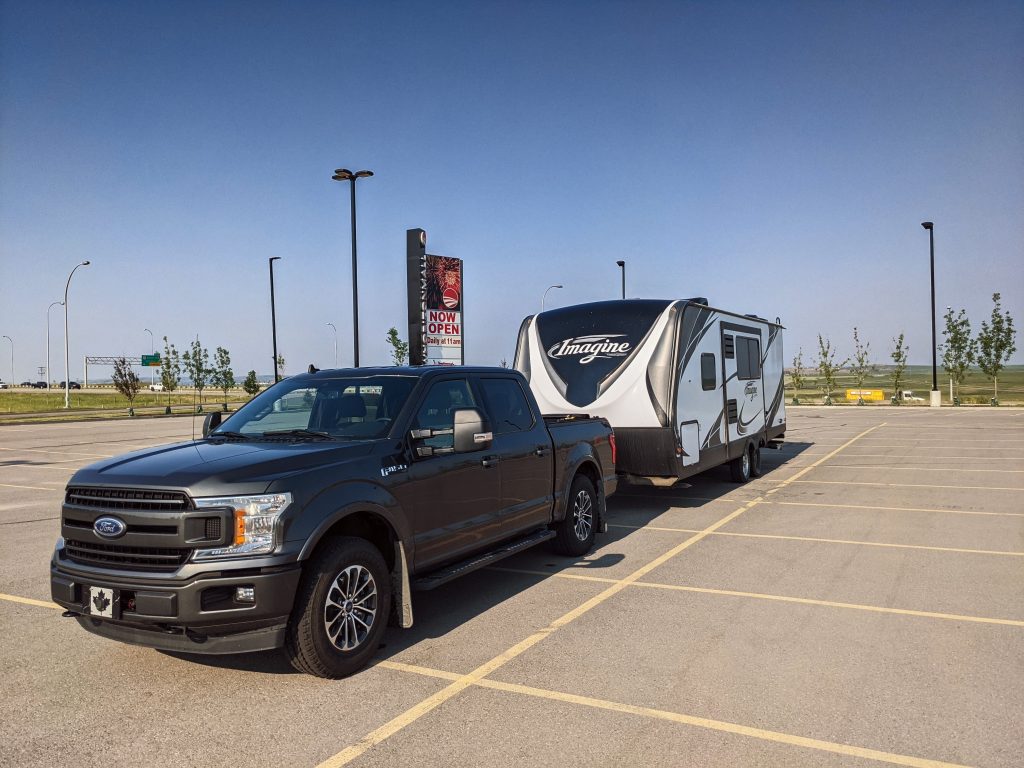
We loaded a new Ford F-150 with 2,800 pounds over the axle and tested seven different suspension configurations under demanding conditions. Using an inclinometer to measure horizontal and vertical tilt, we drove the truck through potholes, over speed bumps, and around corners at high speed to simulate the challenges you face when hauling heavy loads.
The testing methodology was straightforward. Higher degrees of inclination mean less driver control over the vehicle. We tested six different suspension systems against the StableLoad system, with factory suspension serving as our baseline for each scenario.
Test Results: StableLoad Outperforms the Competition
Pothole Test
Hitting a large pothole with a heavy load can be one of the most jarring experiences for your truck's suspension. Here's how each system performed:
- Factory Suspension: 151 degrees of inclination
- Airbags: Just over 62 degrees
- StableLoad: 30 degrees
The StableLoad reduced inclination by over 80% compared to factory suspension and cut the airbag result in half.
Speed Bump Test
Speed bumps test how well your suspension absorbs vertical impacts while maintaining stability:
- Rubber Springs: Nearly 36 degrees
- Sway Bar: 31 degrees
- StableLoad: Just under 10 degrees
Once again, the StableLoad was the clear winner, registering the lowest degree of inclination by a significant margin.
High-Speed Cornering Test
Taking corners at speed with a heavy load reveals how well your suspension controls body roll and maintains vehicle stability:
- Rubber Bump Stop: 36 degrees
- Rubber Springs: 35 degrees
- StableLoad: 20 degrees
The StableLoad provided nearly half the inclination of competing systems, giving drivers substantially more control during aggressive maneuvers.
Performance Summary
| Test Scenario | StableLoad Performance | Key Advantage |
|---|---|---|
| Pothole | 30 degrees | Best performer by far |
| Speed Bump | Just under 10 degrees | Clear winner |
| High-Speed Corner | 20 degrees | Helped suspension the most |
The StableLoad Advantage: Turn It Off When You Don't Need It
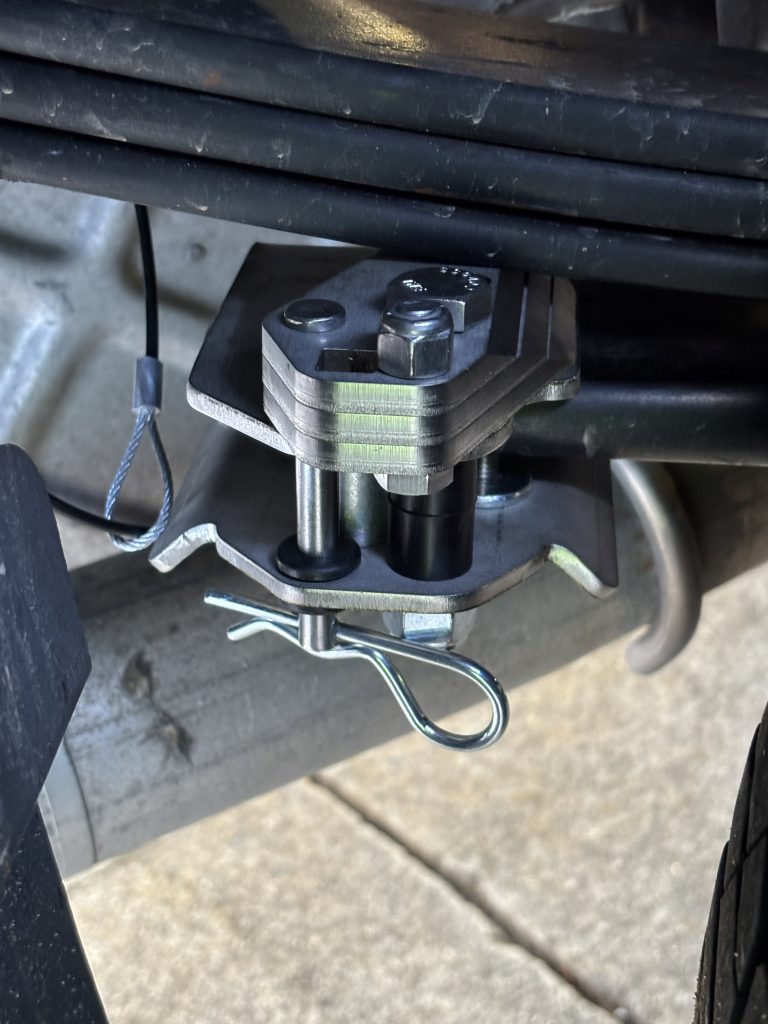
StableLoads work by engaging your vehicle's factory overload springs earlier in the suspension cycle. Most trucks have overload springs designed to activate under heavy loads, but there's typically a gap between the main leaf spring pack and the overload. Under load, your truck has to sag several inches before those overload springs engage.
StableLoads eliminate that gap. They pre-activate the overload springs, which means your suspension is working at full capacity from the moment you add weight. This results in:
- Less rear-end sag
- Better steering control
- Reduced body roll and sway
- Improved braking performance
- A more stable ride overall
Beyond its superior performance in every test scenario, the StableLoad offers a unique feature that no other suspension system on the market provides. You can turn it off.
This means when your truck isn't under heavy stress, you can easily revert to your factory suspension. You get the best of both worlds: enhanced performance when you need it and factory ride quality when you don't.
The Bottom Line
Suspension upgrades do work, but the StableLoad Suspension Stabilizer proved to beat out all alternatives in real-world testing. Whether you're navigating potholes, crossing speed bumps, or taking corners with a heavy load, the StableLoad provides superior control and stability.
For truck owners who regularly haul heavy loads, the StableLoad should be your first suspension upgrade. It delivers measurable performance improvements exactly when you need them most.
Frequently Asked Questions
Do suspension upgrades actually work for trucks carrying heavy loads?
Yes. Testing with a 2,800-pound load on a Ford F-150 demonstrated that suspension upgrades significantly reduce vehicle inclination compared to factory suspension, giving drivers more control.
How does the StableLoad compare to airbags?
In pothole testing, the StableLoad registered 30 degrees of inclination compared to airbags at just over 62 degrees, making it roughly twice as effective at maintaining stability.
What makes the StableLoad different from other suspension upgrades?
The StableLoad is the only suspension system on the market addresses multiple suspension and handling issues with just one product. Plus, StableLoads are the only suspension upgrade that you can easily turn off, allowing you to revert to factory suspension when not hauling heavy loads.
Which suspension upgrade performed best in the speed bump test?
The StableLoad registered just under 10 degrees of inclination, significantly outperforming rubber springs at nearly 36 degrees and sway bars at 31 degrees.
How much weight was used in the suspension testing?
All tests were conducted with a 2,800-pound load placed over the axle of a new Ford F-150 truck.
What does the inclinometer measure during suspension testing?
An inclinometer measures horizontal and vertical tilt. Higher degrees of inclination indicate less driver control over the vehicle.