


What customers should know about trailer hitches, bumper beam removal, and auto insurance. Not legal advice. Practical facts.
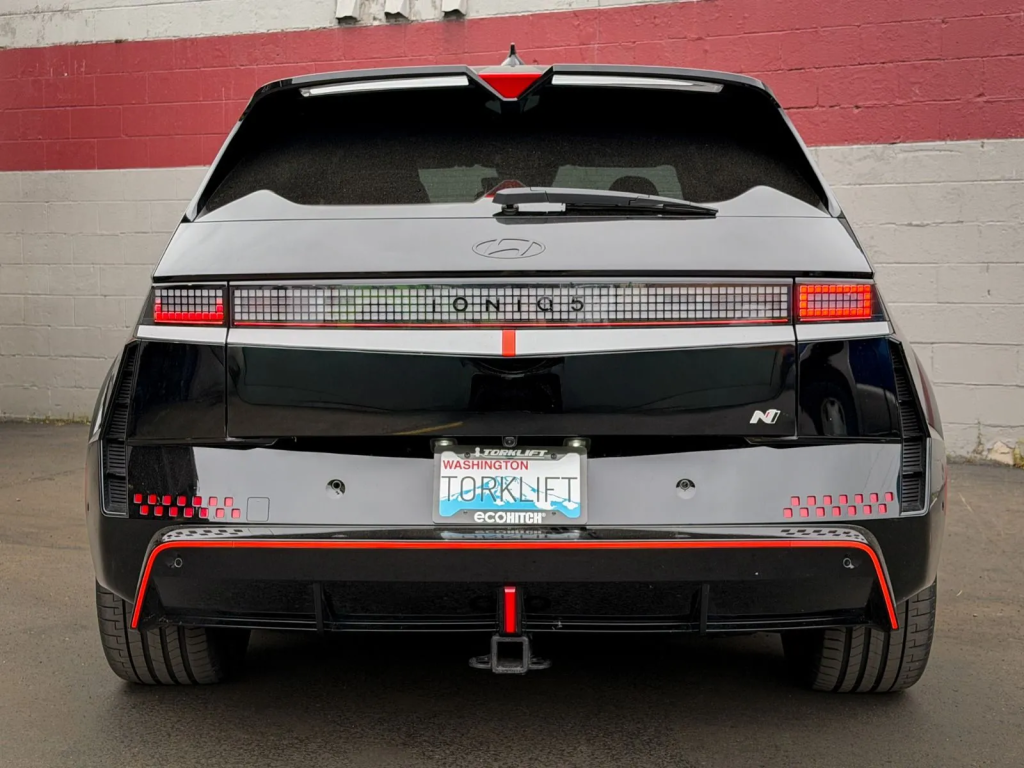
You installed a trailer hitch on your vehicle. The installation required removing the OEM rear bumper crossmember. And now you are wondering: if I have an accident, will my insurance company deny the claim because the bumper beam was removed?
This is a fair question, and the answer is more reassuring than the internet forums might suggest. This article explains why a properly installed trailer hitch is generally not, by itself, a basis for denying an otherwise covered claim, and what customers should know about insurance, disclosure, and documentation.
This article is not legal advice or insurance advice specific to your policy. It is general information to help you understand the facts.
Are Trailer Hitches Considered Normal Vehicle Accessories?
Yes. Trailer hitches are among the most common aftermarket vehicle accessories in the country. They are installed by dealerships, national chains, fleet operators, rental companies, and independent shops on millions of vehicles. In normal claims handling, a properly installed trailer hitch is treated as standard vehicle equipment.
Will Insurance Deny a Claim Because of a Hitch?
In normal circumstances, a properly installed trailer hitch should not, by itself, cause an auto insurance company to deny or reduce an otherwise covered claim. Based on long industry experience, claim denials simply because a vehicle had a properly installed trailer hitch are not expected.
However, insurance coverage always depends on the specific policy, the facts of the claim, state law, and truthful information provided to the insurer. No general article can guarantee a specific coverage outcome for a specific customer's situation.
Could Insurance Ever Be Affected?
| Scenario | Likely Impact on Coverage |
| Properly installed hitch, normal accident claim. | The hitch alone should not, by itself, cause an otherwise covered claim to be denied. |
| Hitch installed improperly (wrong hardware, unauthorized modifications). | An insurer could investigate if improper installation contributed to the loss. |
| Customer misrepresented the vehicle to the insurer. | Misrepresentation can affect coverage regardless of whether a hitch is involved. |
| Hitch itself was damaged and not covered as custom equipment. | Some policies have limits on aftermarket equipment. Check with your agent. |
| Commercial or business use not disclosed. | Undisclosed commercial use can affect coverage. Disclose truthfully. |
The important distinction: "A trailer hitch was installed, so the claim is denied" is very different from "The hitch was improperly installed and contributed to the damage." A properly installed hitch replacing or modifying the original low-speed bumper reinforcement is not, by itself, a normal or recognized basis for denying an otherwise covered auto insurance claim.
Do I Have to Tell My Insurance Company About the Hitch?
Most ordinary receiver hitches are treated as common vehicle equipment. Still, customers should answer insurance application and claim questions truthfully. If an insurer specifically asks about towing equipment, modifications, or accessories, disclose the hitch honestly.
For business, fleet, commercial towing, or high-value custom equipment, customers may want to proactively confirm coverage with their insurance agent.
What Should I Keep After Installation?
- A copy of the hitch installation instructions.
- The receipt or invoice showing professional installation (if applicable).
- The product information showing the hitch is designed for your specific vehicle.
- Any warranty documentation.
- Photos of the completed installation, if convenient.
Keeping these records is not required for coverage, but they provide clear documentation if an insurer ever has questions about the installation.
What Should Business or Fleet Customers Ask?
Commercial operators, fleet managers, and business users who install hitches on company vehicles may want to confirm with their insurance agent that the policy covers towing equipment, aftermarket accessories, and the intended use of the vehicle. Policies for commercial and fleet vehicles can have different terms than personal auto policies.
Key Takeaways
- A properly installed trailer hitch is a common vehicle accessory and should not, by itself, cause an otherwise covered claim to be denied.
- Coverage depends on the policy, facts, state law, and truthful disclosure. No general article can guarantee a specific outcome.
- Answer insurer questions truthfully. Disclose the hitch if asked about modifications or towing equipment.
- Keep installation records: instructions, receipts, product info, warranty, and photos.
- Business and fleet customers should confirm coverage with their agent.
Frequently Asked Questions
Will insurance deny my claim if a hitch replaces the impact bar?
In normal circumstances, a properly installed trailer hitch should not, by itself, cause a covered claim to be denied. Coverage depends on the policy, facts, and truthful disclosure.
Do I have to tell my insurance company about a trailer hitch?
Answer all insurer questions truthfully. If asked about modifications, towing equipment, or accessories, disclose the hitch.
Are trailer hitches considered normal vehicle accessories?
Yes. They are installed on millions of vehicles by dealerships, shops, and fleet operators. They are generally treated as standard vehicle equipment.
Could insurance ever be affected?
Improper installation, misrepresentation, undisclosed commercial use, or policy-specific exclusions could create separate issues. But a properly installed hitch alone is not a normal basis for claim denial.
What should I keep after installation?
Installation instructions, receipts, product info, warranty documentation, and photos of the completed installation.
What should business or fleet customers ask?
Confirm with your agent that the policy covers towing equipment, aftermarket accessories, and the intended vehicle use.